
Living Well with Obesity & IMIDs
Living well with obesity means focusing on overall health, not just weight. People with obesity can thrive by adopting habits that support physical, emotional, and social well-being. This includes eating nutritious foods, staying active in enjoyable ways, getting enough sleep, and managing stress. It also means building a supportive environment—whether through family, community programs, or healthcare providers—that encourages healthy choices. It also means managing comorbidities such as IMIDs (e.g., psoriasis, psoriatic arthritis, inflammatory bowel disease) that may arise in conjunction with underlying obesity.1,2
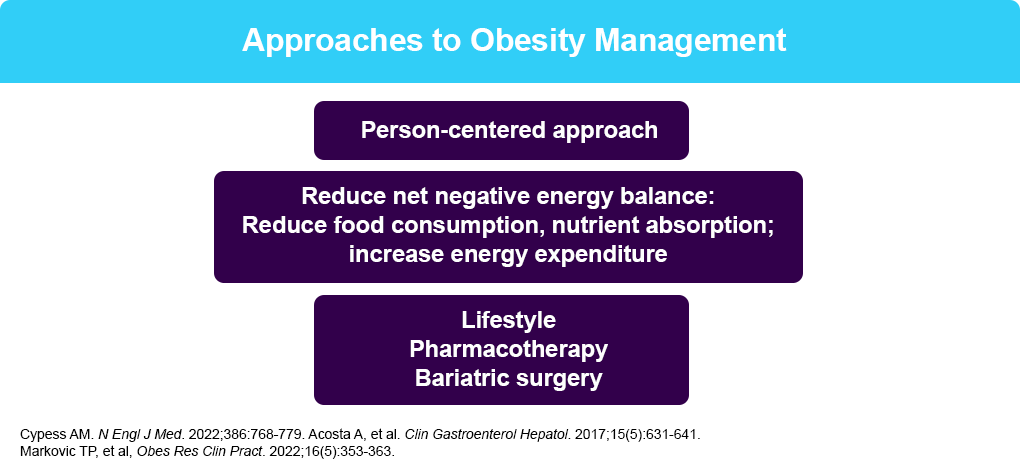
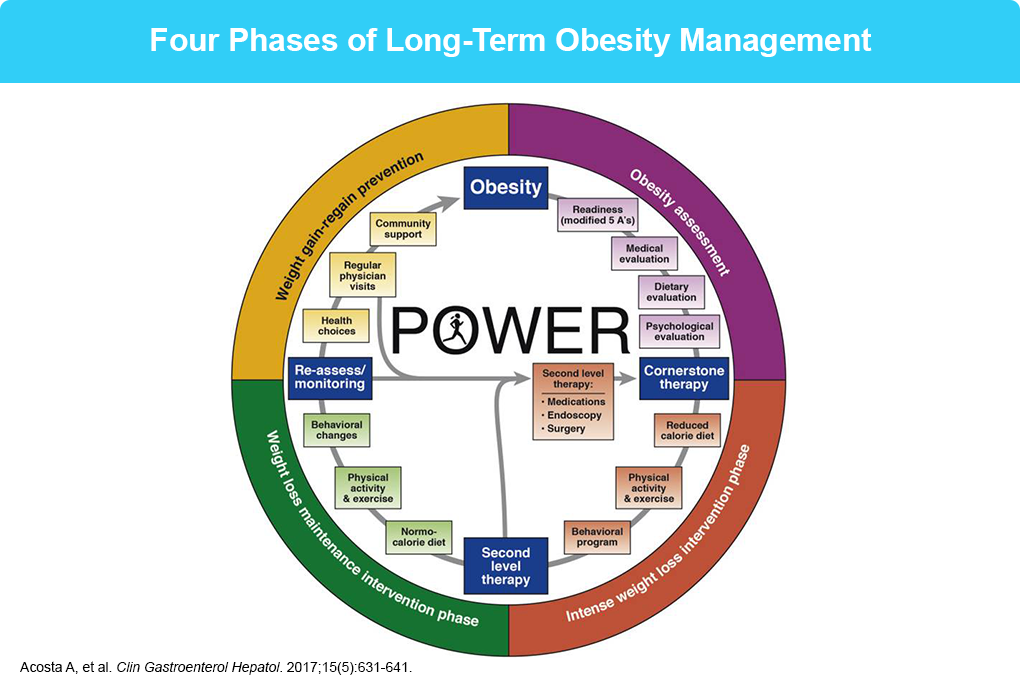
Effective treatment goes beyond weight loss—it targets long-term wellness. Medical care may include behavioral therapy, medications, or surgery, but these are most successful when combined with lifestyle changes and emotional support. Programs like “Food Is Medicine” promote using nutrition to manage chronic conditions, while community efforts help reduce stigma and improve access to care. Living well with obesity means recognizing that health is multifaceted, and progress can be measured in energy levels, blood pressure, mobility, and mental health—not just the number on a scale.1,2
The Obesity Care Team
A multidisciplinary care team is essential for effectively managing obesity and IMIDs because it addresses the conditions from multiple angles—medical, nutritional, psychological, and physical. This team typically includes a physician or obesity specialist, nurse or nurse practitioner, registered dietitian, exercise physiologist, and behavioral health expert. It also may involve other specialists depending on specific coexisting conditions—a dermatologist, rheumatologist, or gastroenterologist, for example. Each member contributes unique expertise: physicians assess and treat medical conditions and complications, dietitians guide nutritional changes, exercise physiologists tailor physical activity plans, and psychologists support behavior change and emotional well-being. By working together, the team creates a personalized, holistic care plan that improves outcomes and supports long-term health.3,4
Shared Decision-Making
Shared decision-making is a key part of effective care because it ensures that treatment plans reflect both medical evidence and a patient’s values, preferences, and goals. In this approach, healthcare providers and patients work together to explore options—such as lifestyle changes, medications, or surgery—and weigh the benefits, risks, and personal relevance of each. This process builds trust, improves adherence, and empowers patients to take an active role in their health. For example, a patient may prioritize improving mobility over weight loss, leading the team to focus on physical therapy and joint-friendly exercise. By centering the conversation on what matters most to the individual, shared decision-making supports long-term success and respectful, personalized care.
References
CDC. Obesity Strategies: What Can Be Done. CDC. Accessed 1/7/26. https://www.cdc.gov/obesity/php/about/obesity-strategies-what-can-be-done.html
- Acosta A, et al. Clin Gastroenterol Hepatol. 2017;15:631-649.
- Obesity Management Team. Obesity Medicine Association. Accessed 1/7/26. https://obesitymedicine.org/blog/obesity-management-team/
- Désiré A. The Role of Multidisciplinary Teams in Obesity Treatment – Obesity Care Clinic. Obesity Care Clinic – Your Partner in Weight Loss and Wellness. Accessed 1/7/26. https://obesity-care-clinic.com/holistic-approach/the-role-of-multidisciplinary-teams-in-obesity-treatment/